The Cardiovascular System
Your heart beats more than 100,000 times a day, pumping blood through thousands of miles of vessels — all to keep you alive. The cardiovascular system, also known as the circulatory system, is your body’s most essential transport network.
It delivers oxygen and nutrients to every part of your body and removes waste products that could harm you. From your brain to your toes, every cell depends on it. Let’s explore how this incredible system works, what it’s made of, and how you can keep it healthy.
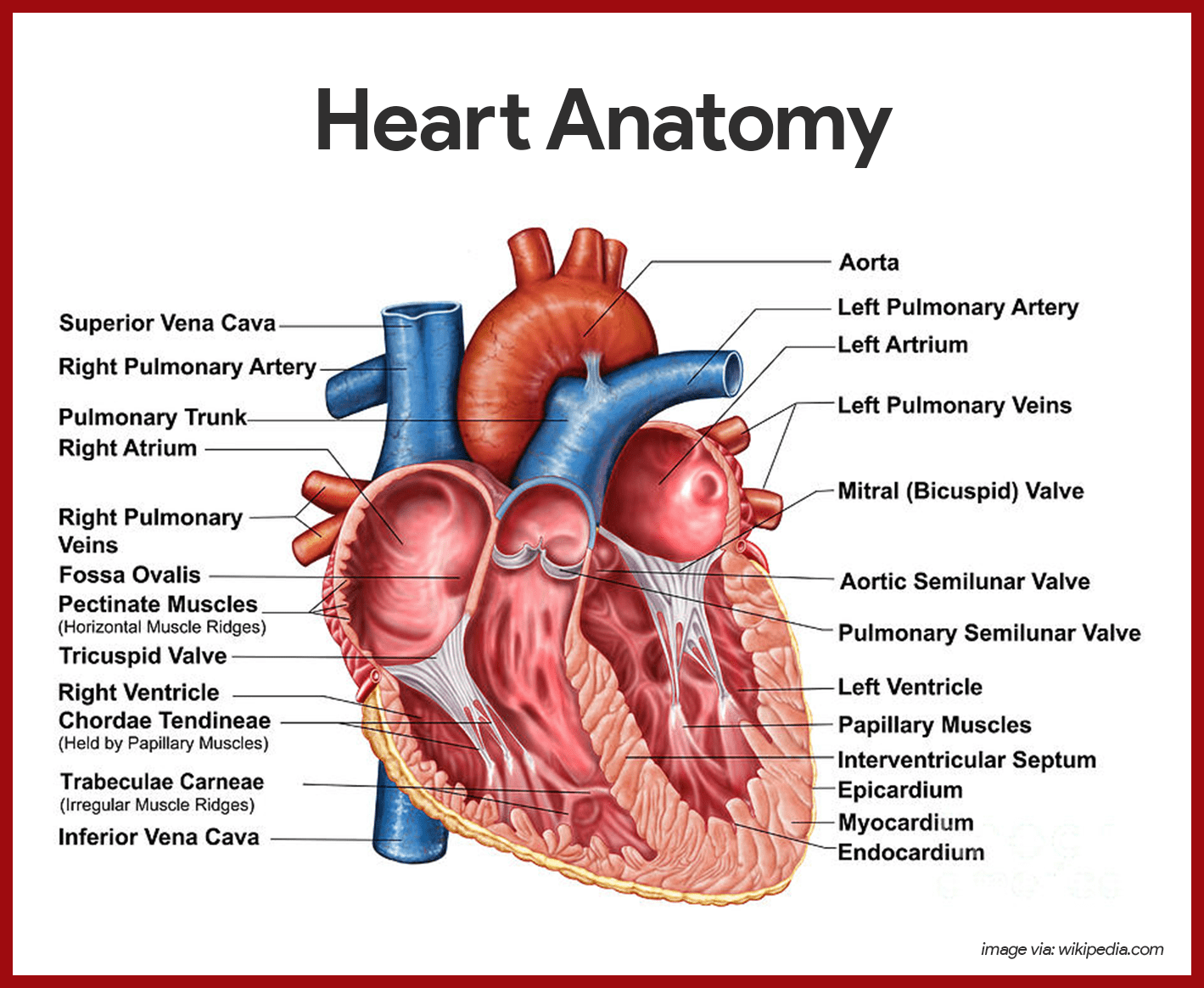
The circulatory system — also called the cardiovascular system — is the body’s internal highway. It’s a complex network made up of your heart, blood, and blood vessels, working together to move blood throughout your body.
This system supplies oxygen, hormones, and nutrients to your organs and tissues while carrying away carbon dioxide and waste products.
What is the circulatory system’s function?
The main function of the circulatory system is to transport — moving life-sustaining substances throughout the body.
Delivers oxygen and nutrients
Blood carries oxygen from the lungs and nutrients from the digestive system to cells.
Removes waste
Blood removes carbon dioxide and other metabolic waste from tissues.
Regulates body temperature
Blood circulation helps maintain a stable body temperature.
Transports Hormones
Hormones produced by glands travel through the blood to control growth, mood, and metabolism.
Fights Infections
White blood cells and antibodies in your blood protect against disease.
Maintains Fluid Balance
Circulation helps regulate water and electrolyte levels in tissues.
Your circulatory system works silently but efficiently — 24 hours a day, every day of your life.
How Your Circulatory and Cardiovascular System Works
The Journey Begins
Deoxygenated (oxygen-poor) blood from the body returns to the right atrium of your heart through two large veins — the superior and inferior vena cava.
Pumped to the Lungs
The blood moves into the right ventricle, which pumps it through the pulmonary artery to your lungs.
In the lungs, carbon dioxide is released, and oxygen is absorbed.
Oxygen-Rich Blood Returns
The now oxygen-rich blood travels back to the heart via the pulmonary veins into the left atrium
The Power Pump
The left ventricle, the heart’s strongest chamber, pumps oxygen-rich blood out through the aorta, the body’s largest artery.
From the aorta, blood flows through smaller arteries, then capillaries, delivering oxygen and nutrients to every cell.
Cycle Repeats
Once oxygen is used up by cells, the deoxygenated blood returns to the heart — and the process begins again.
This circulation loop happens continuously and incredibly fast — your heart pumps about 5 liters of blood every minute, ensuring your body stays alive and functioning.
Where is it Located?
Your cardiovascular system is spread throughout your entire body, but its main control center the heart is located in your chest, slightly to the left, behind the breastbone (sternum).
The network of blood vessels — arteries, veins, and capillaries — runs from head to toe, reaching every organ and tissue.
What are the parts the circulatory system is made of?
The circulatory system has three main parts:
Heart
The central pump that keeps blood moving.
Blood Vessels
The pathways — arteries, veins, and capillaries — that transport blood.
Blood
The fluid that carries oxygen, nutrients, and waste products.
What Are the Four Main Parts of the Circulatory System?
Some experts divide the system into four key parts for better understanding:
Heart
The muscular organ that pumps blood.
Arteries
Carry oxygen-rich blood away from the heart.
Veins
Return oxygen-poor blood back to the heart.
Capillaries
Microscopic vessels where oxygen and nutrients are exchanged with tissues.
Together, these components form an unbreakable cycle of circulation that sustains life.
What Does the Circulatory System Look Like?
Visually, your circulatory system looks like a vast, branching network — imagine an enormous tree with the heart as the trunk and blood vessels as the branches spreading through your body.
Arteries are thick and elastic to handle high pressure from heartbeats.
Veins are thinner with valves to prevent blood from flowing backward.
Capillaries are the smallest vessels, only one cell thick, allowing direct exchange between blood and tissues.
This entire network ensures that no part of your body is left without oxygen or nutrients — even the tips of your fingers and toes get their share!
How Big Is the Circulatory System?
The human circulatory system is massive.
If all your blood vessels were placed end-to-end, they would stretch over 60,000 miles (about 96,000 kilometers) — long enough to circle the Earth more than twice!
Your heart pumps about 2,000 gallons (7,500 liters) of blood every day, ensuring that oxygen reaches every cell in your body.
How Much Does Your Heart Weigh?
The heart may be small, but it’s powerful.
In men: About 280–340 grams (10–12 ounces)
In women: About 230–280 grams (8–10 ounces)
Despite this modest weight, your heart generates enough pressure to shoot blood 30 feet (9 meters) if it were forced out of the body — a testament to its strength and endurance.
What Are the Common Conditions and Disorders That Affect the Circulatory System?
Because your circulatory system is so essential, any problem with it can have serious effects. Common circulatory and cardiovascular disorders include:
Hypertension (High Blood Pressure)
Chronic high pressure in the arteries can damage blood vessels and organs over time.
Symptoms: Usually silent, but can cause headaches, dizziness, and vision problems.
Coronary Artery Disease (CAD)
Plaque buildup (cholesterol, fat) in arteries reduces blood flow to the heart.
Symptoms: Chest pain, fatigue, and shortness of breath.
Atherosclerosis
Hardening and narrowing of arteries due to plaque accumulation.
Leads to heart attacks and strokes.
Heart Attack (Myocardial Infarction)
Happens when blood flow to a section of the heart is blocked.
Symptoms: Chest pain, nausea, sweating, or pain radiating to the arm/jaw.
Heart Failure
The heart becomes weak and cannot pump enough blood.
Symptoms: Swelling, fatigue, difficulty breathing, and irregular heartbeat.
Stroke
Blood flow to part of the brain is interrupted, causing cell damage.
Symptoms: Sudden weakness, speech problems, confusion, or paralysis.
Arrhythmia
Irregular heartbeats — too fast, too slow, or uneven.
Can cause dizziness, fainting, or palpitations.
Anemia
Low red blood cell count or hemoglobin level, reducing oxygen delivery.
Symptoms: Tiredness, pale skin, weakness.
Peripheral Artery Disease (PAD)
Narrowing of arteries in limbs, especially legs.
Symptoms: Pain during walking, cold feet, slow wound healing.
Varicose Veins
Swollen, twisted veins caused by poor valve function in veins.
Symptoms: Swelling, heaviness, and visible veins in the legs.
Simple Lifestyle Tips to Keep Your Circulatory System Healthy
Keeping your circulatory system healthy is all about balance and consistency. You don’t need big changes — just small, everyday habits that protect your heart and blood vessels.
Here’s what you can do:
Eat Heart-Healthy Food
Include fruits, vegetables, whole grains, nuts, and lean proteins.
Avoid excessive salt, sugar, and processed foods.
Stay Active
Aim for at least
30 minutes of physical activity
(like walking, cycling, or yoga) most days of the week.
Quit Smoking
Smoking damages blood vessels, reduces oxygen in blood, and increases the risk of heart attack.
Maintain a Healthy Weight
Extra weight puts strain on your heart and increases blood pressure.
Manage Stress
Practice meditation, deep breathing, or hobbies that relax you. Stress can raise heart rate and blood pressure.
Sleep Well
7–8 hours of quality sleep helps regulate blood pressure and heart rhythm.
Stay Hydrated
Water helps maintain proper blood volume and circulation.
Limit Alcohol and Caffeine
Too much can raise blood pressure and stress your heart.
Get Regular Checkups
Routine blood pressure, cholesterol, and glucose tests help detect issues early.
Listen to Your Body
Don’t ignore signs like chest discomfort, dizziness, or breathlessness. Seek medical advice immediately.
Your cardiovascular system is your body’s ultimate life support — delivering oxygen, energy, and protection every single second.
By eating well, staying active, managing stress, and avoiding harmful habits, you can keep your heart strong and your circulation smooth.